Cities are often described through what is new.
A new building. A new district. A new vision for the future.
Yet the most fascinating cities are rarely those that constantly reinvent themselves. They are the ones that remember.
They carry traces of previous generations in their streets, walls and public spaces. They allow the past and the present to coexist without forcing one to replace the other.
Walking through such places feels different.
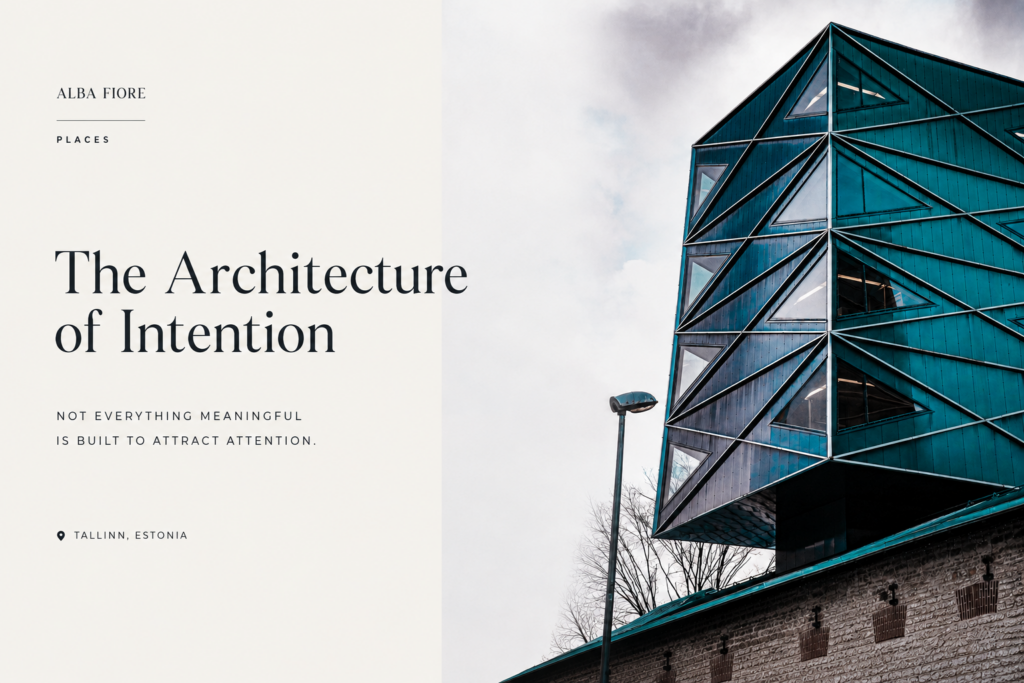
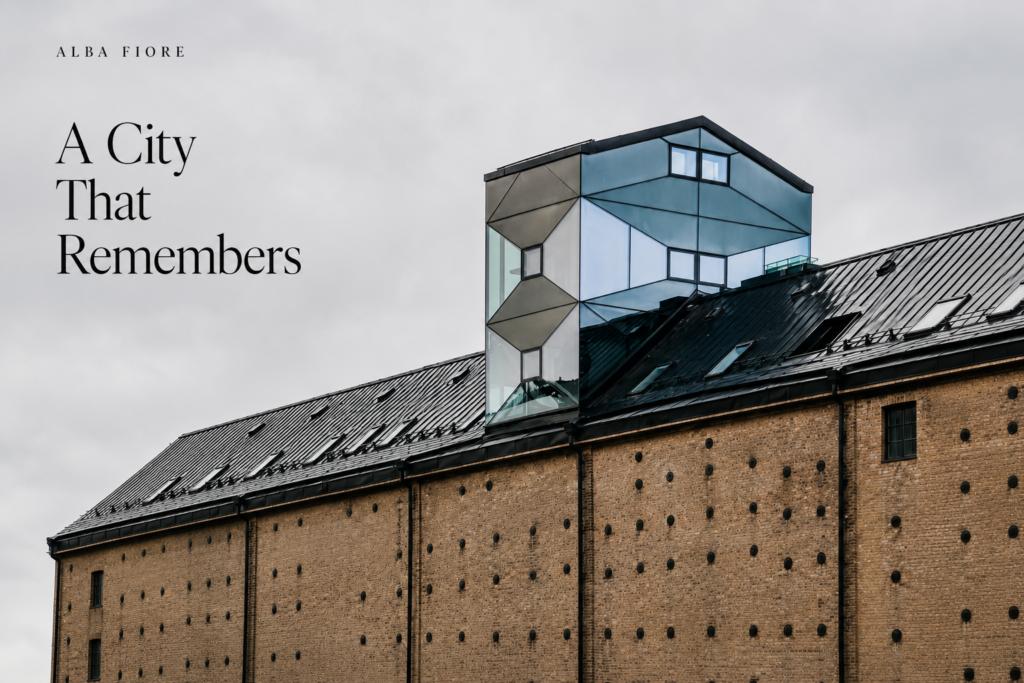
A stone facade reflects modern glass. A centuries-old warehouse becomes part of a contemporary skyline. A narrow street leads toward a building that could belong to another century entirely.
Nothing appears frozen in time.
Nothing appears disconnected from it either.
The most memorable cities understand that progress is not the opposite of memory.
Progress without memory often produces places that could exist anywhere.
Memory without progress risks turning a city into a museum.
The balance lies somewhere in between.
In the ability to create something new while respecting what already exists.
This is perhaps why certain cities remain with us long after we leave.
Not because they were perfect.
Not because they were famous.
But because they felt layered.
Every corner seemed to contain more than one story. Every building appeared to belong to more than one era.
The city became a conversation between generations.
And for a moment, walking through it, we became part of that conversation too.
Perhaps the places we return to most often are not those that constantly surprise us.
Perhaps they are the places that remember.
And in doing so, remind us of our own stories as well.